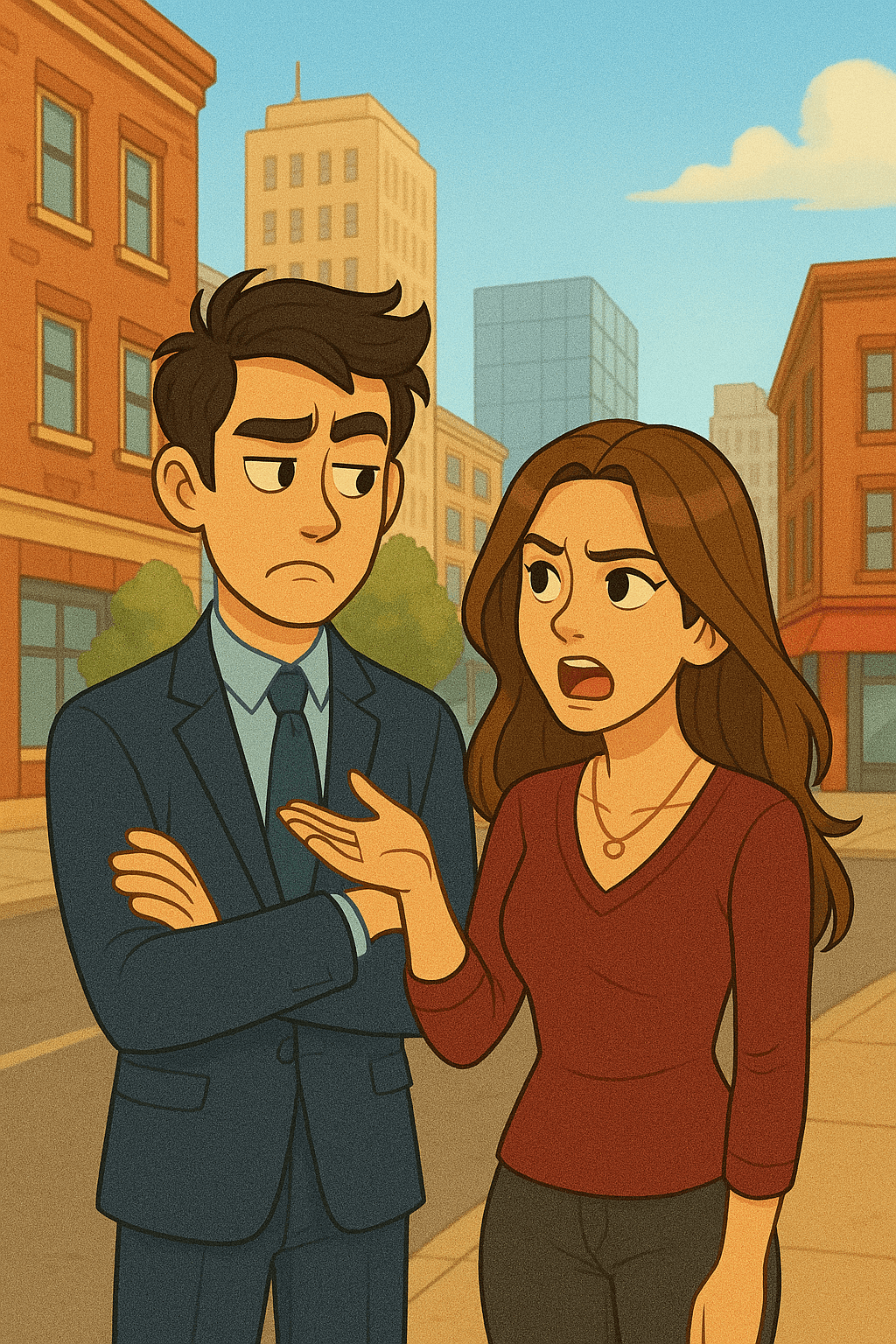
Conflict is inevitable in relationships, but how you handle disagreements determines whether they strengthen or weaken your bond. The loqd app provides tools and frameworks to help couples navigate conflicts constructively, turning challenges into opportunities for deeper understanding and connection.
Understanding Healthy Conflict
Healthy conflict focuses on solving problems rather than winning arguments. It involves respect, empathy, and a commitment to finding solutions that work for both partners.
The loqd Conflict Resolution Framework
1. Pause and Breathe
Use mindfulness tools to center yourself before addressing the issue. Taking time to calm down prevents reactive responses that escalate conflicts.
2. Identify the Real Issue
Look beyond surface disagreements to understand underlying needs and feelings. Reflection prompts help uncover the true source of conflict.
3. Listen with Empathy
Practice active listening using communication guides. Focus on understanding your partner's perspective rather than preparing your counterargument.
4. Express Respectfully
Use "I" statements and focus on behaviors, not character attacks. Templates for expressing concerns constructively help you structure your thoughts.
5. Find Common Ground
Identify shared values and goals. Remember that you're on the same team working toward a solution.
6. Collaborate on Solutions
Work together to find win-win solutions that address both partners' needs. Use goal-setting features to create action plans.
Common Conflict Triggers
- Communication Misunderstandings: Use clarification tools and conversation guides
- Different Values or Goals: Alignment exercises help find compromise
- Time and Attention Issues: Scheduling tools promote fairness and balance
- Financial Disagreements: Goal-setting features for shared financial planning
- Intimacy Differences: Safe communication tools for discussing needs
- Household Responsibilities: Task tracking and fair distribution
- Extended Family Issues: Boundary-setting and support strategies
"loqd has transformed how we handle disagreements. The app's conflict tools help us stay calm and focused on solutions rather than blame." - Jennifer & Carlos, loqd users
Building Conflict Resolution Skills
Practice these techniques daily:
- Regular Emotional Check-ins: Use daily mood tracking to prevent issue buildup
- Scheduled Relationship Meetings: Weekly sessions for addressing concerns proactively
- Active Listening Practice: Use app prompts to improve listening skills
- Gratitude Exercises: Maintain positive perspective even during disagreements
- Conflict Reflection: Post-conflict analysis to learn from each disagreement
When Conflicts Arise: The Response Plan
Before the Conflict Escalates
- Check your emotional state
- Use breathing exercises to calm down
- Set an intention for the conversation
- Choose an appropriate time and place
During the Conflict
- Follow the structured communication framework
- Take breaks if emotions get too high
- Focus on understanding, not winning
- Use "I" statements exclusively
After the Conflict
- Reflect on what was learned
- Appreciate efforts made by both partners
- Document insights
- Celebrate successful resolution
Measuring Progress
- Monitor conflict frequency and intensity over time
- Track resolution success rates
- Measure time from conflict to resolution
- See improvements in communication quality scores
- Celebrate conflict resolution milestones
Conclusion
Effective conflict resolution is a skill that strengthens relationships and builds deeper intimacy. By approaching disagreements with respect, empathy, and a commitment to finding solutions, couples can emerge from conflicts stronger than before.